

Ovens are an essential appliance in many households. They transform the raw ingredients into culinary masterpieces. Your culinary success can be determined by the type of oven you select. Selecting the best built-in oven will save energy and money, while also delivering optimal performance.
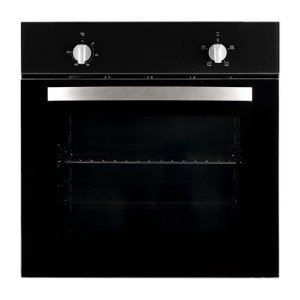
Be aware of your budget and cooking requirements when selecting a single electric oven. Be aware of safety precautions and maintenance guidelines.
Size and Capacity
The type of oven you pick is crucial to the method you transform raw ingredients into culinary masterpieces. Its capabilities affect the texture, taste and appearance of food and the ease at cooking meals. A well-designed oven will maximise your kitchen space and allow you to meet all your cooking requirements efficiently.
Ovens with electric ovens come in a range of sizes to accommodate various kitchen layouts and cooking requirements. Standard sizes include models with 24-inch, 30-inch, and 27-inch sizes. Before choosing a particular size, you must consider the dimensions of your existing cabinets and the amount of cooking space that you will require. This will ensure the oven fits perfectly in your kitchen and provides enough space to accommodate your cooking requirements.
It is also important to check the capacity of each model in order to determine if it is able to accommodate the needs of your family. People who cook only one or two meals at a time can choose compact ovens that have the capacity of 60 litres. Families are able to benefit from larger ovens that can have the capacity of 60 litres.
Some ovens offer different cleaning methods, allowing you to select the one that best suits your kitchen maintenance routine and preferences. Some self-cleaning techniques such as pyrolytic utilize high temperatures to destroy the food residues inside your oven, while others rely on steam to loosen and clean up spills with no chemicals.
It is important to make the right decision, especially if you plan to regularly use the oven. Consider key features such as temperature control and shelf options to ensure you make the right choice. Learn about energy efficiency, sustainability, maintenance and safety in order to minimize the risk of injuries and damages.
Safety Precautions
The best single oven electric models are designed to be safe and easy to use. All models, whether simple mechanical controls or advanced electronic models, have safety features to prevent injuries and accidents.
The manual will give you safety guidelines. This includes regularly inspecting the oven for any defective components that could cause fires or overheating. It is also essential to thoroughly preheat the oven before placing food in it. This will ensure that the heat is distributed evenly, ensuring that your food is cooked safely and correctly.
Be cautious not to let the oven run unattended. This is a huge risk of fire, and could cause burns or injury if you accidentally touch the oven's hot surface. To avoid this, look for models with timers and alarms that will notify you when your food is ready to be served. Some models have child safety locks to keep small children from cooking.
An electric oven that is of high-quality should have proper ventilation in order to dissipate the heat and prevent overheating. If the model doesn't include this feature, it must be installed with a ventilation system that meets the requirements set by the manufacturer. To prevent the spread of flammable fumes, ensure that all chemicals inside the oven are properly cooled. This is particularly important for factories that manufacture products that use polymerization or other molecular arrangements. These flammable gases could explode if they aren't properly vented. This could cause damage to equipment or even hurt or kill an employee. The repercussions of an incident can be devastating to a company's image bottom line, employee morale and profits, as well as impact the community as a whole.
Energy Efficiency
A well-chosen stove can transform raw ingredients into delicious masterpieces. The type of oven you choose can have a major impact on the time it takes to cook as well as your energy expenses. A well-designed oven can reduce the carbon footprint of your home and lower the cost of electricity.
If you want to choose a high-performance range, make sure to look over the label. It will inform you how it works and how much energy it consumes. Then, you can calculate its estimated annual running costs using one of the appliance energy calculator tools available on the internet. This will allow you to avoid paying for a stove that consumes more energy than it needs to.
A new oven for baking with electricity was designed and built for baking bakery products like cakes and biscuits. The oven is extremely efficient at baking uniformly high-quality cakes and biscuits. The results of the study reveal that the oven consumed less electricity than other conventional ovens.
The oven is equipped with two heating elements, located on the top and bottom of the cavity. When single oven under counter set the temperature you want, the heating elements will activate and gradually heat the interior of the oven. The heated air rises from the bottom part of the element and then radiates downwards from the top element. This results in an even heating of the entire oven.
When not in use, turn off the oven by disconnecting it. Also, defrost food prior to cooking to reduce time and energy. By ensuring that your oven is properly set up and maintained, you will be able to reduce its power consumption. Find a qualified electrician and follow the safety guidelines of the manufacturer when installing your oven, and ensure that you keep it clean and free of explosive materials. It is important to schedule regular maintenance to maintain the health and performance your oven.
Sustainability
The decision to purchase a new oven is a big one and the sustainability objectives of a business should be considered. Fuel costs are 10 times more expensive than the lifetime cost of an electric oven. Switching from gas to electric Marlen Spiral ovens can reduce a factory's environmental footprint and help save money.
A recent study conducted by the thermal team at AMF discovered that electric ovens can reduce energy consumption by more than 50% when compared to traditional gas ovens. The reduction in electricity usage not only reduces operating costs however it also reduces greenhouse gas emissions and improves product quality. The study analyzed the pattern of energy consumption in an electric oven in load condition at constant baking temperatures and also examined its thermal behavior.
The results showed that the improved oven was easy to fabricate using locally available common materials. The oven's housing unit oven tray, oven tray, and perforated cover to distribute heat, heating coil and temperature sensors of the new oven were all built by local workshops.
Additionally, the oven was designed to consume less electricity and reach its desired heating temperature in just 18 minutes at 250 degrees Celsius. The electrical consumption and heating energy were analysed by connecting the oven to a temperature control system. The data was analysed to determine the most optimal temperatures for various baking products. The evolution of temperature drop in the oven was also studied. Temperatures were recorded at every 1 minute interval. The oven was tested for various types of cakes and biscuits to determine its performance. The results showed that baked products produced by the new oven were superior in terms of sensory attributes and had higher baking efficiency.
Maintenance
The oven is among the most expensive appliances in a home, and it's crucial to keep it properly maintained to ensure its durability and performance. Regular cleaning can reduce the buildup of grease that could lead to a fire and reduce the energy efficiency of the appliance. Cleaning the hood and fan clean can also reduce the amount of dust that gets accumulated within the oven, which can cause it to overheat.
It's a good idea to take a look at the warranty options that are offered by Home Warranty of America when purchasing a new range or oven. The extensive coverage of HWA can help homeowners avoid costly repairs and maintenance costs on kitchen appliances that are essential, such as ovens and ranges.
It is recommended that, before using the oven for the first-time, you run a self-cleaning cycle with a moderate temperature. This will eliminate any lingering manufacturing residues and odours and prepare the oven for cooking. This will allow you to be familiar with the oven settings and how it performs.
After the self-cleaning process is completed It is recommended to clean the interior with a moist cloth and let it cool completely. Also, make use of the opportunity to clean all the removable parts such as the flat and telescopic racks. Utilizing a cleaning solution comprised of water and vinegar is the most effective way to do this. However, make sure that you unplug the oven before cleaning it, and avoid spraying directly on controls or knobs, as this can cause damage and short circuits.
It is also essential to follow the manufacturer's instructions regarding the frequency of servicing for your single electric oven. Keeping up with maintenance can prevent many common problems from arising for example, a failure to heat the oven or problems with the oven's power supply. It can also help to prevent a decrease in performance that could result from worn out or damaged parts, such as heating elements or a faulty temperature gauge.